
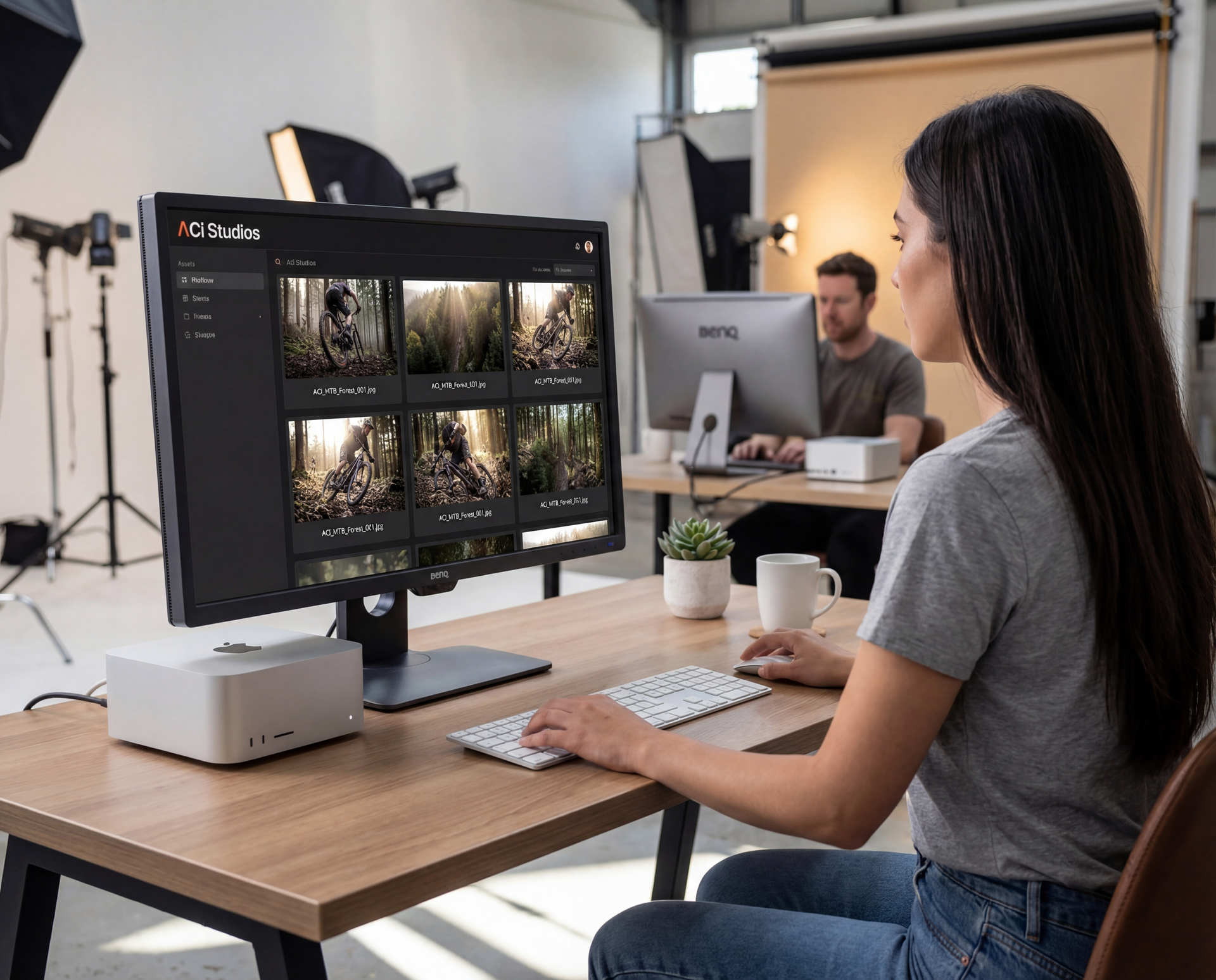
We wanted to use generative Ai for real production work, but we kept running into the same problem, the image model is only as good as the brief and most teams do not have a repeatable way to translate brand rules, product details and creative intent into prompts that actually hold up at scale, despite Ai models getting better every day. So we built ACi (Advanced Creative Intelligence), an Ai production platform that enables our trained creative operators to turn brief → assets → outputs into a single workflow. The problem Generating a single great image is hard. Generating tens or hundreds of images that all look like the same brand is harder. Without structure, teams lose time rewriting prompts, chasing assets and fixing inconsistencies. What we built We built an Ai production platform designed to make briefing and production repeatable. It starts with briefing built for Ai: a structured way to capture brand, product and creative requirements, with clear fields for what must stay consistent across a whole set of images. It is paired with digital asset management (DAM), so the right logos, pack shots, style references and brand guidelines live in one place and are attached to briefs, keeping the model grounded in the correct context. We also give our operators explicit control over key “camera” and scene variables from the platform (for example, camera and lens choices, lighting source, time of day and location) so outputs match creative intent more reliably and quality is consistently higher. Finally, there is the brief-to-model handoff, where the platform turns briefs into the right format for model inputs and manages prompts, reference assets and settings so output quality is repeatable. Working with leading model providers We work closely with the main Ai providers, which helps us understand what modern Ai models need from a brief. In practice, that means writing prompts that are clear, unambiguous and aligned to the intended output, capturing the details models struggle with unless they are explicitly specified and using a consistent approach so the brand stays coherent across multiple images, campaigns and teams. Therefore, the ACi platform manages this for the operator, ensuring the correct information is always captured and that no fluff gets in the way of accuracy or consistency. Consistency across images and brand Our goal is not only “great outputs.” It is consistent outputs. The platform maintains that consistency by reusing structured brand constraints, reusing approved reference assets and standardising the briefing and prompt patterns that work. Automation at scale Once the brief is right, production can be automated. Our operators can generate tens or hundreds of images in a controlled way, reducing manual production time while keeping quality predictable. Print-ready finishing (upscaling) For print and high-resolution delivery, we can automatically upscale outputs to very large files when needed, including up to 800MB TIFFs, so work can move from concept to production-ready without redoing everything downstream. So why? This is why we built the platform: to make Ai image generation work like a real production pipeline, with better briefs, greater consistency, lower-cost production at scale and the ability for our operators to create amazing, on-brand retail imagery without sacrificing quality. This enables retailers and brands of all shapes and sizes to have a more level playing field when it comes to creating high-quality imagery for e-commerce, social or campaign use.
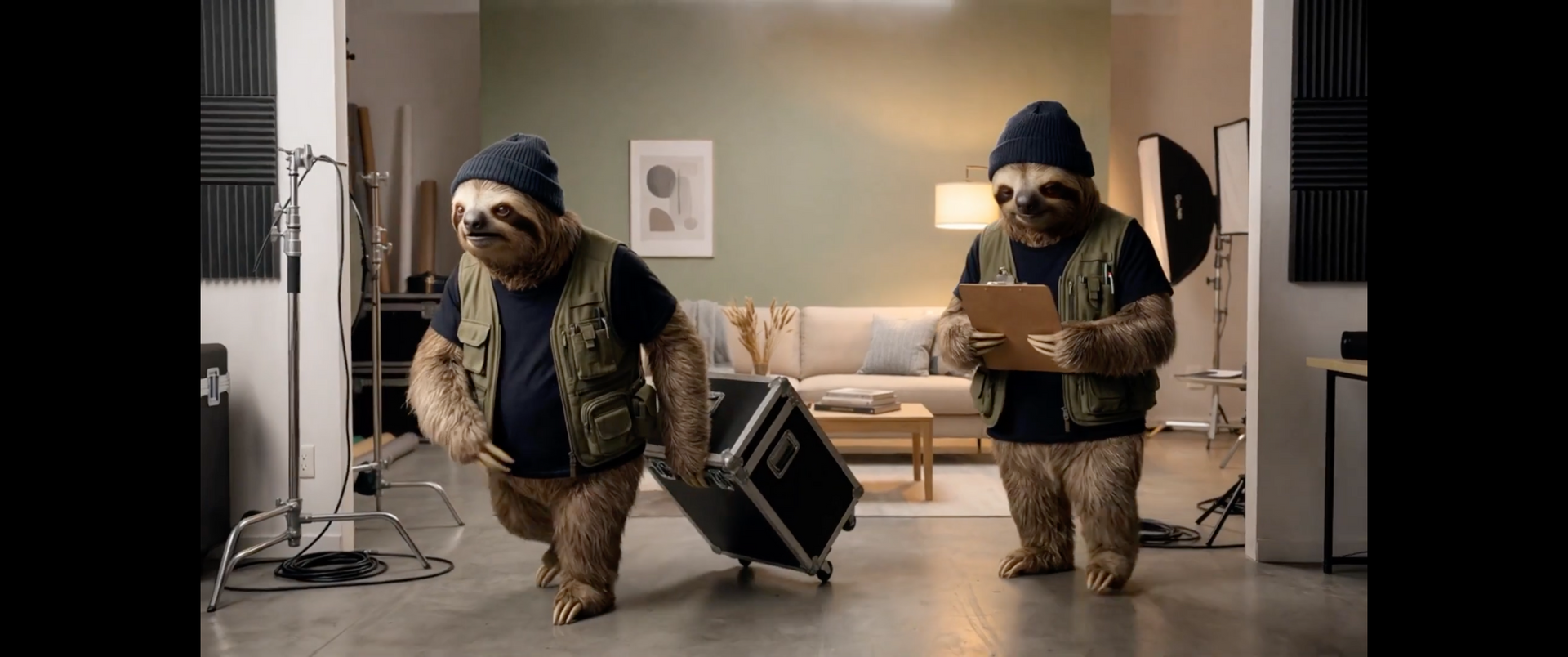
Traditional studio production can be brilliant. It can also be slow, expensive and hard to scale. We built our new sloths video to tell that story in a way people will actually remember and to introduce a set of loveable characters we will be using across ACi Studios marketing. (…Also to show off our animation creation and production skills using Ai) The idea: a lovable Sloth who finds a new and better way Our sloths live in a classic photographic studio world. They are cute, recognisable and each one has a role you would expect on set: photographer, lighting, set build, hair and make-up and more. They represent the old-school craft and effort that goes into creating great imagery. The joke is not that the work is bad. The joke is that it takes ages. The contrast: modern retail imagery cannot afford to wait Retail moves fast. Product ranges change. Campaigns launch weekly. Channels multiply. If your marketing imagery is “hanging around like a sloth”, your time-to-market and your budgets suffer. That is where ACi Studios comes in. We have built our own platform we call Advanced Creative Intelligence . It helps us produce high-quality imagery with Ai that is: On brand Consistent at scale Automated where it should be Fast, without the brand risk Meet Flash: the sloth who refuses to accept slow as normal Flash is the digital assistant. Flash is the slightly dorky one. Flash is also the clever one. After another long day on set, Flash does what all of us do when work feels harder than it should be: they go searching for a better way. Flash discovers ACi Studios, a UK-based team built by people who used to run the biggest photographic studio in the UK, producing work for major retailers and global brands. Part 1 and what comes next This video is Part 1, where you meet the sloths and see how they work, which is slllooowww. Keep an eye out for Part 2, where Flash steps forward and changes the way he does things forever. Link to the video: The Slowest Crew on Set What the video is really about This campaign is not “Ai versus photographers”. It is about removing the friction that makes imagery production slow and unpredictable. Great creative & marketing teams should spend less time battling process and more time making decisions that improve the business and letting companies like ACi do the hard production. It is also a small glimpse of something else: our animation and production capability goes beyond retail product imagery. How this changes things Our CEO Nick Aldrich commented, “15 years ago, I spent a lot of time in negotiations to buy a leading Soho based CGI production company who worked with some of the best know brands on the planet. Their work was class leading and they employed many skilled creatives working with expensive high powered computing and software like Smoke, Flame, Nuke. The output was simply amazing at the time, but slow and massively expensive a) to produce and b) for the client to procure. What we can now do with Ai (utilising our own ACi technology) is simply phenomenal. We came up with the idea for the sloths, created copy, story boards, stills and animatics and then went on to make a 90 second fully animated high res video all within days. 15 years ago this would have cost a considerable six figure amount of money, whereas today, ACi were able to produce all of this work in-house. The difference this creates to budgets but also to accessibility is ground breaking.” Want the fast version of this story? If you are launching products and campaigns and your imagery is becoming the bottleneck, we would love to show you what “better, quicker, and cheaper” looks like when it is properly controlled, consistent and on brand.
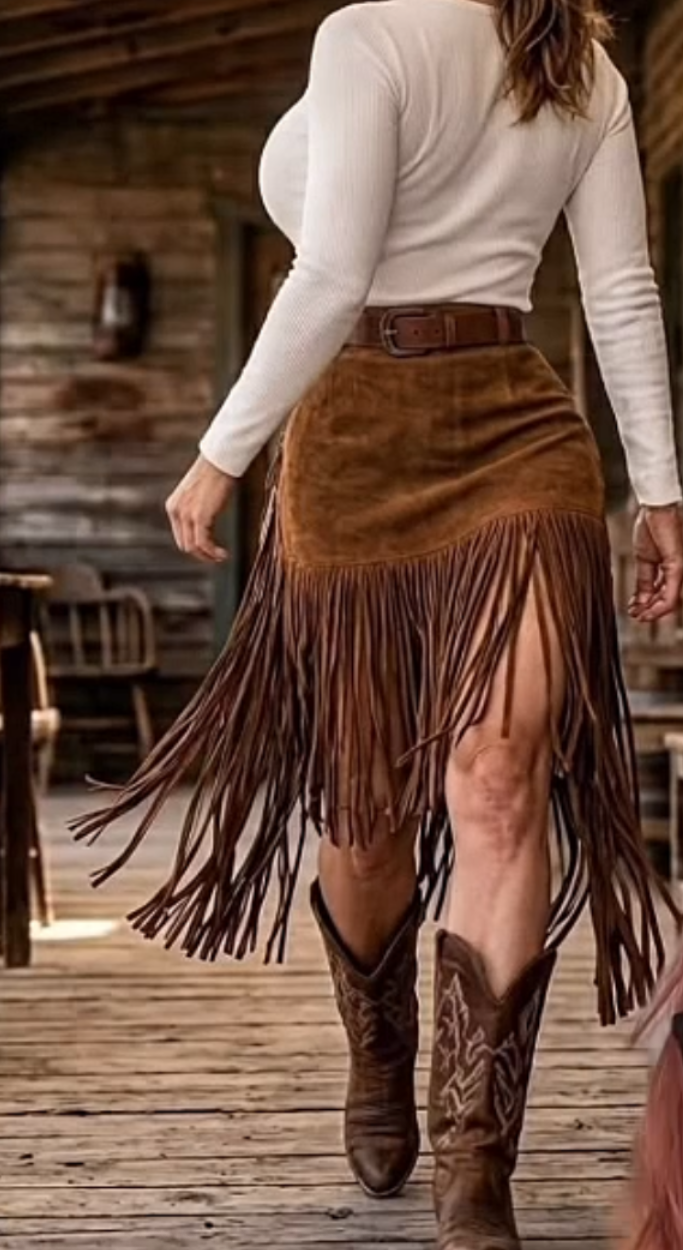
Speed and cost are the usual reasons brands adopt Ai for imagery. But there is a hidden cost that shows up the moment Ai is used without craft, control and quality assurance: public mistakes that damage trust. A recent example that made the rounds was a Temu campaign image featuring a model in a fashion skirt where the top half of the body appeared to be back-to-front. The image did what bad Ai imagery always does. It stopped selling the product and started selling a meme. This is not an anti-Ai argument. It is the opposite. Ai can be a major advantage when it is treated as a production system, not a shortcut. The point is simple, if you are going to use Ai to save time and money, it needs to be done properly. The real problem with “bad Ai” is not the tech. Most high profile failures are not caused by the underlying model being “dumb.” They happen because the workflow is careless. There is no defined reference for lighting, proportion, pose, styling, cropping and retouching quality. The system is allowed to invent anatomy, garments, shadows and reflections without guardrails. Human checks that traditional production takes for granted are skipped. Accountability disappears, and Ai is treated like an intern that no one supervises. The result is imagery that looks “almost right” until you see the details. In commercial photography, the details are the whole job. When Ai imagery fails publicly, the costs are rarely measured correctly. It is not just the cost of replacing an asset. The real costs include brand credibility loss, reduced conversion, wasted media spend and internal disruption. People hesitate when something looks off. If it triggers doubt, it triggers drop-off. And if you spend heavily to amplify a mistake, “cheap” imagery becomes very expensive. A common misconception is that Ai speed comes from generating images quickly. In commercial work, speed comes from producing approved images quickly, consistently and at scale. That only happens when the workflow is engineered. Inputs have to be clean and controlled. Outputs need to be consistent and repeatable. Variations should be intentional, not random. Review and revision must be built into the process. Prompting alone is not a production pipeline. If a brand wants Ai imagery to be a genuine advantage, it needs to behave like professional photography production. That starts with a defined visual standard: lighting, styling, colour targets, cropping rules and channel requirements. It requires a controlled generation pipeline where consistency comes from the system around the model, not the model name itself. It needs craft-informed review so a trained eye catches what automated checks miss: anatomy, drape, proportions, reflections and material behaviour. It needs brand-safe revisions so the process supports change requests without drifting away from the approved look. And it needs to scale without chaos, performing across thousands of SKUs and variations, not just one hero image. Where ACi Studios fits is in combining two things that are rarely together: production grade Ai capability built for reliability and repeatability and real photographic and creative craft so the output sells, not just renders. Conversion oriented imagery is not only about looking realistic. It is about communicating value, quality, fit and trust. When you work with an expert team, you do not just get faster images. You get faster launches without brand risk. The takeaway is simple. Ai is not the danger. Uncontrolled Ai is. If your goal is to save time and money, the most expensive thing you can do is ship images that look wrong, confuse customers, or invite ridicule. The winning approach is to treat Ai like any other serious production capability: define standards, build controls and apply craft. If you want Ai imagery that is fast, consistent, and built to convert, ACi Studios is set up to do it properly.

Ai image creation can speed up time-to-market by up to 80%. Taking days, if not weeks off timelines.
Speed to market is one of the few advantages that compounds. When a brand can launch earlier, it sells earlier, learns earlier and iterates earlier. Traditionally, product imagery has been one of the biggest hidden bottlenecks in that chain. Samples need to be produced, shipped, checked, prepped, styled, photographed, edited, approved and then often reshot when anything changes. Ai changes the centre of gravity. When you remove the dependency on physical samples and photo shoots, imagery shifts from a calendar problem to a workflow problem and workflow problems can be engineered, in particular when you deal with an expert like ACi Studios. Most photography timelines are not slow because people are slow. They are slow because the process is constrained by physical steps that cannot be parallelised easily. Manufacturing lead times dictate when samples exist at all, shipping dictates when they arrive where work happens, and studio booking, crew availability and set builds dictate when a camera can be pointed at a product. Even once everything is in the same room, products still need prep, steaming, cleaning, and careful handling. Reshoots are common when packaging changes, colours drift, or a product detail turns out to be wrong. Then post-production and approvals extend timelines further. Even when everything goes well, this creates a critical path that is hard to compress. If anything goes wrong, the entire plan shifts. Ai accelerates this timeline by removing the sample dependency. When imagery can be driven by product data, CAD, references, or a controlled model pipeline, the sample is no longer the gate that decides when image production can start. “No samples required” is not just a cost saving. It is a scheduling advantage. Imagery can begin at design sign-off, not when the first unit is off the line. Launch assets can be created while manufacturing ramps. Packaging, colour way and component changes can be reflected quickly without waiting for a new sample. International teams can work from the same source inputs without shipping products around the world. The practical outcome is that the time between “product ready on paper” and “product ready in market” becomes dramatically shorter. This shift also reduces the need for physical shoots, which are often the biggest calendar blocker in traditional production. Shoots are calendar heavy because they depend on time slots, people and physical constraints. Ai based production flips the question. Instead of asking “when can we get the studio,” teams ask “what is the approved visual standard, and how do we generate to it consistently.” Once that standard is defined and the system is in place, producing new pack shots and angles becomes an on-demand capability. Seasonal background swaps no longer require rebuilding sets. Lifestyle scenes can be created without constructing physical environments. Variations across colour ways and sizes can be produced without repeating the entire shoot. The real speed gain is not that Ai generates a single image quickly. It is that Ai reduces the number of times teams have to restart the whole process. None of this matters, however, if speed comes at the expense of consistency and brand safety. A common misconception is that speed comes from typing prompts faster. In commercial imagery, speed comes from control. Brands need consistency across every SKU, angle, crop, lighting setup and styling choice. They need reliability when production teams request revisions, or when legal and brand stakeholders require changes. If outputs vary unpredictably, the result is not faster launches. It is churn. The teams seeing real time-to-market impact treat Ai not as a novelty generator, but as a repeatable production workflow. They establish a defined visual style that the system follows, build predictable controls for variations in backgrounds, props, and models, and set output standards that match each channel’s requirements. They also put in place a revision loop that preserves quality and prevents drift. With those controls, Ai becomes a time-to-market engine rather than a creative experiment. Across the launch cycle, the effects compound. Pre-launch, teams can build product pages, ads and marketplace listings earlier because imagery no longer depends on a sample arriving or a studio day being booked. At launch, asset completeness improves because key images are not waiting on the last shoot day. Post-launch, iteration becomes faster because underperforming hero images can be replaced and tested without scheduling a reshoot. Seasonal updates become simpler because backgrounds, styling and formats can be refreshed without pulling products back into a studio. For retailers and brands, the deeper shift is that speed to market becomes less about being first and more about being ready. When imagery is no longer constrained by samples and shoot schedules, product teams can align launches with trading moments, marketing calendars and marketplace deadlines with more confidence. Creative teams spend less time firefighting logistics and more time refining what makes images convert. eCommerce teams get assets earlier, which means fewer placeholder images and fewer late stage compromises. Put simply, Ai increases speed to market by removing two of the biggest time sinks in visual production: waiting for physical samples and organising physical photo shoots. Implemented with the right controls, it turns imagery from a bottleneck into a scalable, dependable production capability. That is exactly what ACi Studios delivers. We combine decades of brand led creative and photographic craft with a production grade Ai pipeline that is designed to behave, stay on-brand and run reliably at scale. Because we have built the controls, automation and repeatability needed for commercial use, customers get faster launches without sacrificing consistency, accuracy, or brand safety. If you want low cost Ai imagery that replaces bottlenecks with dependable throughput, ACi Studios is the partner built to make it real.

Most Ai image offerings fall into one of two camps. Some are impressive pieces of technology, but they give you limited real-world control. Others are brilliant creative teams who struggle to make Ai work reliably or predictably. ACi Studios is different because it brings both together in a way that is fully integrated and easily affordable. The challenge with most Ai image solutions is that they can create something that looks good in a prompt window, but commercial product imagery has a much higher bar. Brands and retailers need consistency across every SKU, angle, crop, background and lighting setup so everything matches brand standards. They need control so the Ai behaves predictably across variations, batches and revisions. They need speed at scale so output is repeatable across thousands of assets, not just a one-off hero image. They also need brand safety, because there is no room for unexpected artefacts, off-brand styling, or unintended details. This is where many Ai tools struggle. They might generate images, but they do not reliably deliver production-grade visual commerce. ACi Studios is built on two components that, together, are exceptionally rare. The first is technology you can actually control: the Advanced Creative Intelligence platform. Most people can access Ai models. The hard part is making them work consistently for commerce. The ACi platform is designed to turn Ai into a reliable production system, producing repeatable outputs that align to a defined visual style rather than a random interpretation. It improves predictability across product sets, campaigns and seasonal refreshes. It supports iteration, so teams can refine outputs quickly without restarting from scratch. It also enables scalable creation for retailers and brands who need volume without sacrificing quality. In simple terms, ACi Studios focuses on the part that matters most in the real world: turning Ai into a dependable creative engine. The second component is more than three and a half decades of creative, brand and photography experience. Technology alone is not the answer. Visuals sell when they are built on craft and a deep understanding of what a brand should look like in-market. ACi Studios brings over 35 years of experience working with leading UK and global brands and that expertise shows up in the decisions that separate good images from high-performing images. It is the understanding of how to protect brand identity, how to light, frame and style products to build trust and drive conversion and how to avoid the subtle mistakes that quietly erode perceived quality. Ai can generate pixels, but creative expertise turns those pixels into brand-building assets. When you combine a controlled, scalable Ai platform with deep creative and photographic experience, you get something most providers cannot offer. You get the efficiency and speed of Ai alongside the craft and judgement of seasoned creatives. You get the consistency brands need and the scale modern commerce demands. That is why ACi Studios is not just another Ai offering. It is a complete visual production capability. For brands and retailers responsible for eCommerce imagery, the goal is not to experiment with Ai. The goal is to reliably produce visuals that are on-brand, consistent, high quality, fast to produce and cost effective at scale. That is the outcome ACi Studios is built to deliver. Put simply, ACi Studios combines a controllable Ai production platform with more than 35 years of creative and photography expertise, delivering a level of consistency and scale that no standalone tool can match and no professional team can achieve without the right technology.

A lot of people ask us, as creative professionals with decades in the industry, how we feel about Ai image creation. There is a strange double standard in how we talk about image making. Many audiences happily watch CGI heavy films or fully animated worlds without questioning whether they are “authentic.” They judge the work by its craft, intent and whether it delivers something meaningful. When the topic becomes Ai image creation specifically, the judgment often shifts from the outcome to the tool itself. I have been in the creative industry since the late eighties, long before Macs and Photoshop were standard. Back then, typesetters were common, artwork was scanned from physical pieces or transparencies and high end systems like a Quantel Paintbox were financially out of reach for 99% of studios. If you needed to alter imagery without those tools, you used an airbrush and a lot of patience. The point is not nostalgia. It is that the desire to refine, retouch and construct images did not begin with Ai. What changes from era to era is ‘the tool’. Every generation experiences a similar cycle. A new tool appears. Early work is rough and overused. Gatekeepers argue it is not “real.” Craft standards develop. The tool becomes normal. An example is digital cameras. I remember when the first digital SLRs came onto the market and people said, “I will remain loyal to film forever.” History shows they did not. Ai image creation is currently moving from the noisy early phase toward more mature, standard practice. People criticise Ai imagery for understandable reasons and we take those concerns seriously. Because ACi Studios focuses on creating Ai images, we think it is important to address those concerns in the context of imagery, not Ai in general. There is a lot of “Ai slop” and it is frustrating. Flooding channels with generic, poorly directed visuals drags standards down. The answer is not to pretend the tool does not exist. The answer is to raise the bar through clear creative intent, strong art direction, human editing and refinement. Ai does not replace these skills. It exposes when they are missing. In sectors like healthcare, the “human aspect” is not only aesthetic. It is trust. If an image is presented as documentary, as evidence, or as a real patient story when it is not, that is a problem. That risk is not unique to Ai, but Ai can make it easier to cross the line. Our view is simple: when an audience reasonably expects a real person, we should be cautious. That can mean using real photography, choosing an illustrative style that does not pretend to be documentary, disclosing Ai use when appropriate and avoiding portrayals that could mislead in sensitive contexts. There is a difference between using Ai as a shortcut and using it as part of a disciplined creative process. For us, Ai image creation earns its place when it helps clients explore ideas faster, makes high end visuals available to more brands and expands what is creatively possible. I often point to how CGI made once impossible worlds believable on screen, for example in *The Lord of the Rings*. In a similar way, at ACi Studios we use Ai image creation to create images for retailers and brands, helping teams visualise products and campaigns quickly and to a high standard. Used well, it is another way to translate imagination into a usable creative asset. Ai image creation is not automatically good or automatically bad. It is powerful and like most powerful tools in the creative industry, it demands maturity and responsibility. At ACi Studios, we are not interested in replacing creativity. We are interested in using Ai image creation within a disciplined process, while keeping a clear line between concept and documentary, illustration and representation, imagination and deception. The real work now is to raise standards for Ai imagery, use it responsibly, stay honest with the audience and personally I think we are doing that better than anyone else.

In today's competitive retail landscape, high quality product imagery isn't just nice to have, it's essential. But the traditional approach to product photography comes with significant costs that many brands struggle to justify. Let's break down the real numbers and explore how Ai powered solutions, like ACi Studios are revolutionising the industry.
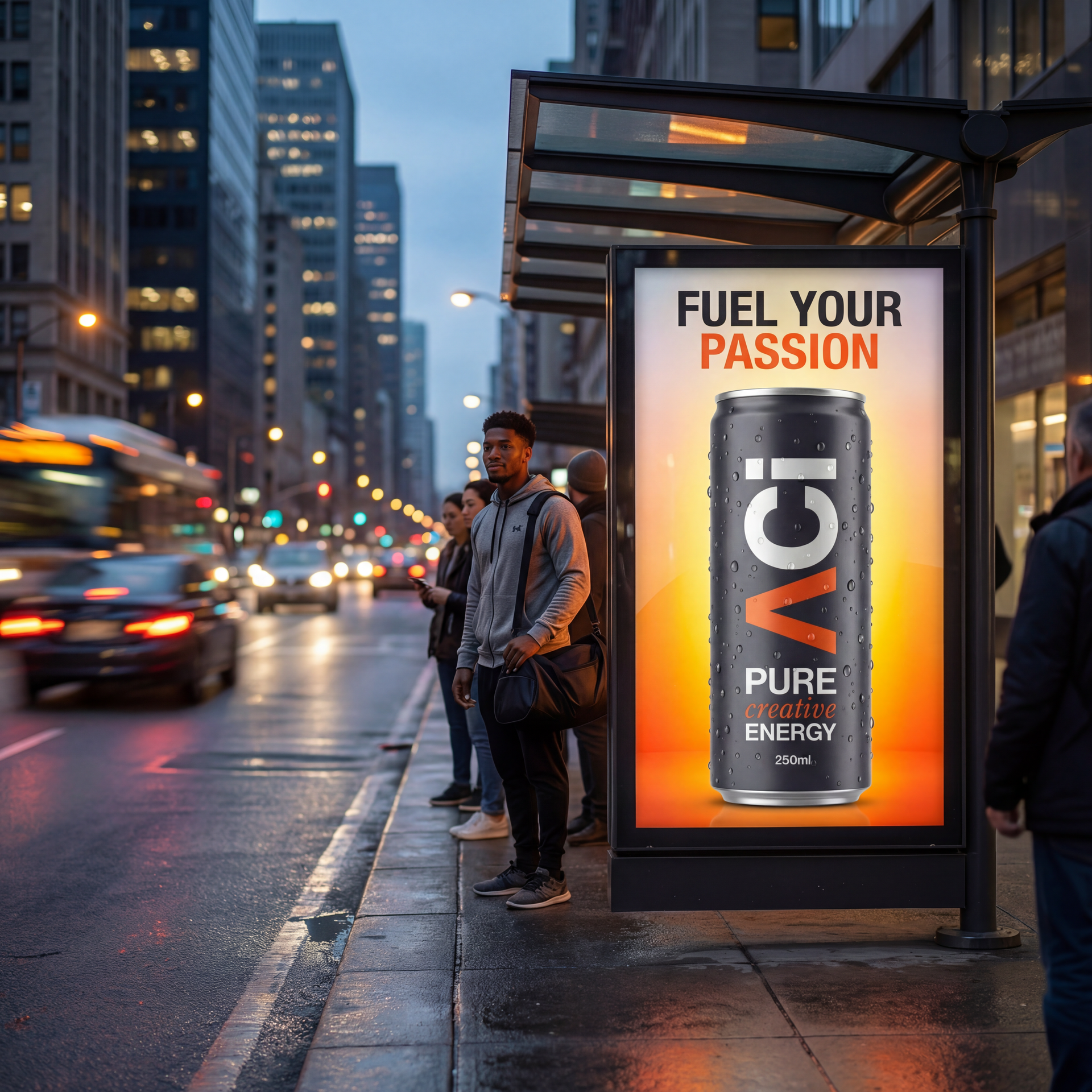
In the competitive world of digital marketing, visuals aren't just decoration, they're a conversion driver with measurable ROI. While many businesses focus on copy and CTAs, the quality of imagery often determines whether a visitor becomes a customer. Let's explore the data behind visual impact and how smart businesses are maximising returns on their visual content investments.
For over thirty years, the team behind ACi Studios has mastered the art of image creation. We've partnered with leading retailers such as John Lewis, M&S, Tesco, Sainsburys, Asda, Aldi, Boots, Amazon, DFS, PC World and iconic brands including adidas, Disney, Xbox, HSBC, Unilever, Aga, Dulux, Barbour and many many more. Throughout this journey, one thing has remained constant, our unwavering commitment to creative excellence.
